Learn Digital Marketing. Build Real Skills. Grow Smarter.
MarketYug is a free blog where beginners in India learn digital marketing without paid courses or confusing jargon.
If you’re a student, freelancer, or small business owner who wants to build real online skills, this is the right place to start.
I Help You Learn Digital Marketing from Scratch
Anyone can become a digital marketing expert, but it needs to be presented in an accessible way. This digital marketing blog emphasizes “actual learning” rather than “too much theory.”
No technical knowledge or prior experience is required. I explain the process through simple steps.
On Marketyug, I personally guide you through:


My Approach: The Best Way to Learn Digital Marketing
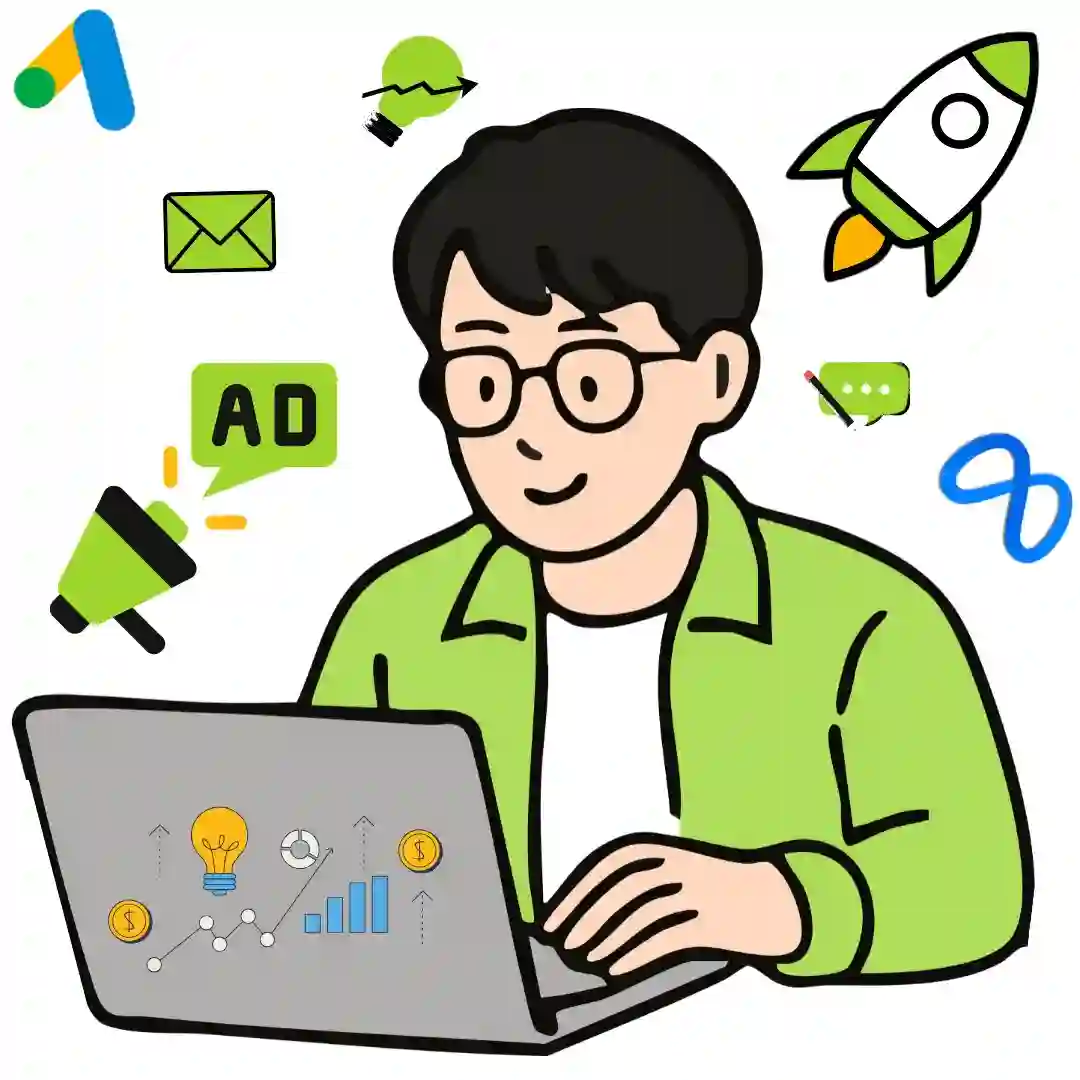
From my experience, the best way to learn digital marketing is to combine learning with action. That’s the core philosophy behind Marketyug.
Every guide I write is designed to:
Build concepts clearly
Show real-world use cases
Encourage practical implementation
Avoid unrealistic promises
I want you to understand why something works, not just how to do it.
Latest Blogs

Hi, I'm the Founder of Marketyug
I started MarketYug as a complete beginner. No technical background, no expensive courses, just learning in public and writing down what actually works.
This blog is where I share simple step-by-step guides, real methods, and mistakes I learned while building skills in SEO, blogging, and freelancing.
My goal is to help students and beginners start digital marketing without confusion or paid courses.
Why Marketyug is Different
Marketyug is created especially for beginners who want to learn digital marketing in a simple and practical way.
Beginner Friendly
Every article is written in simple language so even a complete beginner can understand digital marketing easily.
Step-by-Step Learning
You get a clear learning path so you know exactly what to learn first and what to ignore.
India Focused
All guides are designed for students and beginners in India, not foreign business owners.
No Expensive Courses
We don’t push costly courses. You can start learning with free resources available here.
Practical Methods
Real working methods, examples and tips instead of only theory and definitions.
Skills You Can Use
Learn skills you can actually apply in freelancing, blogging, or online earning.
Start Your Digital Marketing Journey
Whether you want to get a job in digital marketing, start freelancing, grow a business online, or build a blog, the skills you need are here.
Q1. What is Digital Marketing?
Digital marketing is the promotion of products, services, or brands through internet channels like search engines, social media, email, and websites. Unlike traditional marketing, which includes TV, print, and billboards, digital marketing helps businesses target specific groups, track results in real time, and adjust campaigns quickly. Companies of all sizes, from small local shops to global brands, use digital marketing to reach customers where they spend their time: online.
Q2. What are the main types of Digital Marketing?
The main types of digital marketing are SEO (Search Engine Optimization), Content Marketing, Social Media Marketing (SMM), Pay-Per-Click Advertising (PPC), Email Marketing, Affiliate Marketing, Influencer Marketing, and Video Marketing. Each channel has a distinct role. SEO drives free long-term traffic, PPC brings in instant paid traffic, and email marketing supports existing customers. Most successful digital marketers mix two to three channels based on their goals and budget.
Q3. What is SEO (Search Engine Optimization)?
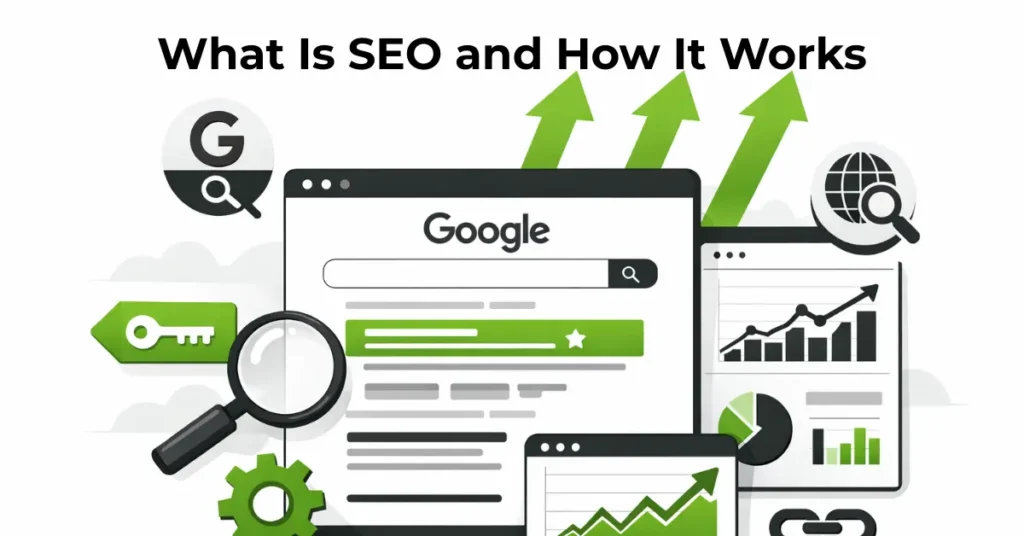
SEO is the practice of improving a website or webpage to rank higher in unpaid (organic) search results on Google, Bing, or Yahoo. It focuses on three main areas: On-Page SEO, which includes keyword use, content quality, and meta tags; Off-Page SEO, which involves backlinks from other websites; and Technical SEO, which covers website speed, mobile-friendliness, and site structure. Effective SEO can deliver free, steady traffic to your website without needing ads, making it one of the best return-on-investment (ROI) digital marketing channels over time.
Q4. What is Content Marketing?
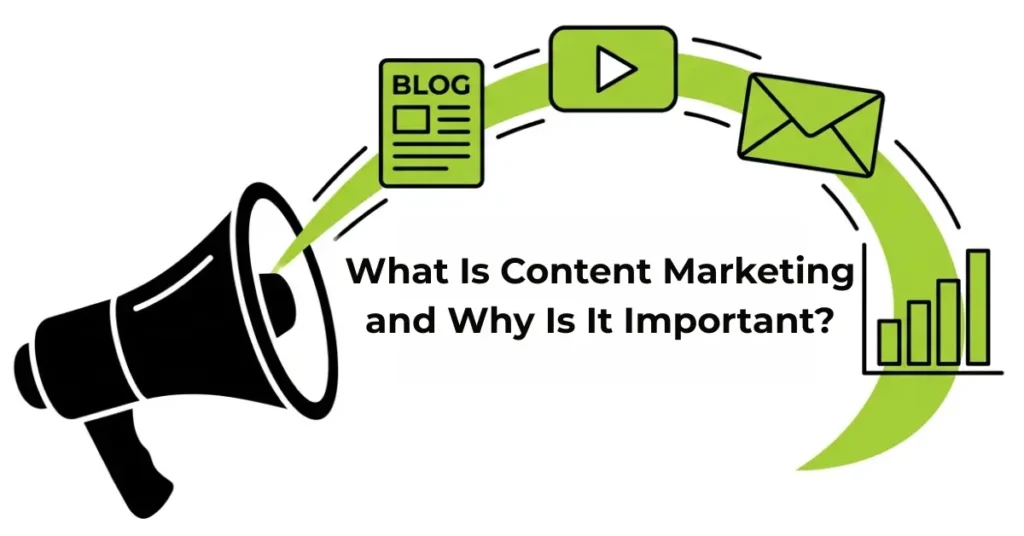
Content marketing is a strategy that involves creating and sharing valuable, relevant content like blog posts, videos, infographics, podcasts, or guides to attract and engage a specific audience. Instead of promoting a product directly, content marketing educates or entertains the audience, building trust over time. For instance, a digital marketing blog that shares beginner guides provides value to readers while also attracting organic search traffic and establishing brand authority.
Q5. What is Social Media Marketing?
Social media marketing (SMM) uses platforms such as Instagram, Facebook, YouTube, LinkedIn, and X (Twitter) to promote a brand, product, or content. It includes both organic posting (free) and paid ads. Organic SMM fosters community and brand awareness through regular posts, reels, and stories. Paid SMM allows you to show targeted ads to specific audiences based on age, location, interests, and behavior. It is one of the quickest ways to increase brand visibility and drive traffic to a website.
Q6. Whai is PPC (Pay-Per-Click) Advertising?
PPC is a type of online advertising where you pay only when someone clicks your ad. Google Ads and Meta Ads (Facebook/Instagram) are the most popular PPC platforms. You set a budget and choose target keywords or audiences, then your ads show up in search results or social feeds. PPC provides instant traffic and measurable results, which is great for product launches, promotions, or businesses that need leads quickly. The key metric to watch is ROAS (Return on Ad Spend) to ensure your ads are making money.
Q7. What is the difference between Organic and Paid traffic?
Organic traffic comes from unpaid sources, mainly SEO, social media posts, and free content. It takes time to build, but it is sustainable and cost-effective in the long run. Paid traffic comes from running ads (Google Ads, Facebook Ads, etc.) and provides immediate results, but it stops as soon as you stop spending. The best digital marketing strategy mixes both: use SEO and content for long-term growth and paid ads for quick wins, product launches, or seasonal promotions.
Q8. What is Affiliate Marketing and How does it work?
Affiliate marketing is a performance-based model where a person (the affiliate) earns a commission by promoting another company’s product or service. When someone clicks the affiliate’s unique link and makes a purchase, the affiliate gets a percentage of the sale. Amazon Associates, ShareASale, and CJ Affiliate are popular programs. Many bloggers, YouTubers, and content creators use it to make money from their audience without creating their own products.
Q9. What is Email Marketing and Why is it effective?
Email marketing involves sending targeted messages like newsletters, promotions, product updates, or educational content directly to a subscriber’s inbox. It is one of the highest-ROI digital marketing channels. Unlike social media, you own your email list, so platform algorithm changes do not affect your reach. Tools like Mailchimp, ConvertKit, and Brevo help you automate and personalize email campaigns on a large scale.
Q10. How do I measure the success of a Digital Marketing campaign?
You measure digital marketing success using KPIs (Key Performance Indicators) that match your goals. For traffic: website visits, bounce rate, pages per session. For SEO: keyword rankings, organic clicks, domain authority. For ads: CTR (Click-Through Rate), CPC (Cost Per Click), ROAS. For social media: reach, engagement rate, follower growth. For business: leads generated, conversion rate, revenue. Google Analytics 4 (GA4) and Google Search Console are the two most important free tools to track these metrics.
About Marketyug
Marketyug is a beginner-friendly online digital marketing blog where you can learn online marketing step by step in simple language. I aim to help students, beginners, and business owners start and grow their digital marketing journey with our practical and easy-to-understand guides.
QUICK LINKS
Learn Digital Marketing
TRUST & SUPPORT
Beginner Friendly Content
Step-by-Step Guides
Free Learning Resources
Updated Marketing Tutorials