How to Learn Social Media Marketing in 2026 (Step-by-Step Guide)
Social media marketing has changed how businesses connect with customers. Today, every business, whether small or large, uses it to build a brand, attract customers, and grow revenue. Naturally, more beginners want to know how to learn this skill and turn it into a career.
The good news is that social media marketing doesn’t require a marketing degree. You just need the right roadmap, a willingness to practice, and consistency.
At MarketYug, we help beginners build practical digital marketing skills. In this guide, you’ll learn:
- The basics of social media marketing
- Key concepts every beginner should know
- The different types of social media marketing
- A step-by-step process for doing it
- Practical tips that actually work
If you’re exploring a career in digital marketing, this is one of the best places to start.
What is Social Media Marketing?
Social media marketing is a form of digital marketing that uses platforms such as Instagram, Facebook, LinkedIn, YouTube, and Pinterest to promote a brand, product, or service.
These platforms give businesses a direct way to reach customers, build relationships, and showcase what they offer. Unlike traditional advertising, social media marketing thrives on conversation, engagement, and community. This is why brands invest so heavily in it.
Understanding this distinction is the first step toward learning the skill properly.
How to Learn Social Media Marketing
If you’re starting from zero, follow this roadmap.
Step 1: Learn the Fundamentals
Before using any tool or platform, build a basic understanding of:
- How major social platforms work
- Key marketing concepts (audience, positioning, branding)
- Online audience behavior
- The basics of content creation
Free blogs, YouTube tutorials, and beginner courses are enough to get you started — you don’t need to pay for anything yet.
Step 2: Focus on 2-3 Platforms, Not All of Them
A common beginner mistake is trying to learn every platform at once. Instead, pick two or three based on where your target audience spends time, commonly:
- YouTube
Focusing on a few platforms helps you build real expertise faster than trying to cover them all.
Step 3: Study Brands That Are Already Doing It Well
Choose 5-10 brands in a niche you’re interested in and analyze:
- Their content style and tone
- Posting frequency
- How they respond to comments and DMs
- Their visual branding and consistency
This kind of observation teaches you more than any course.
Step 4: Practice by Creating Your Own Page
Theory only gets you so far. Start a page about a topic you genuinely care about, such as:
- Digital marketing
- Personal branding
- Fitness
- Travel
- Education
Running even a small page forces you to make real decisions about content, timing, and audience — the fastest way to learn.
Step 5: Get Comfortable Creating Content
Content is the engine of social media marketing. Practice making:
- Educational posts
- Short-form videos
- Carousels
- Infographics
- Story-style content
You don’t need expensive equipment — a phone and a free design tool is enough to start.
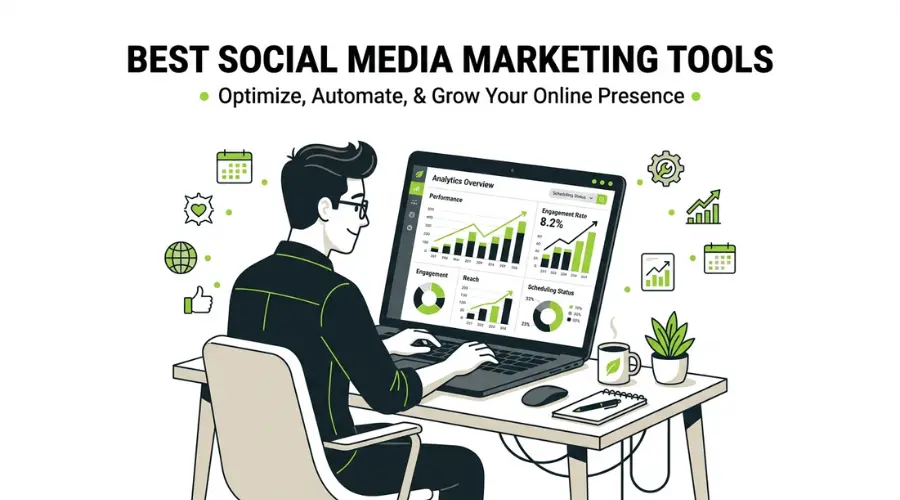
Step 6: Learn the Tools Professionals Use
A few tools will make your workflow much more efficient:
- Canva for designing graphics
- Buffer for scheduling posts
- Hootsuite for managing multiple accounts
- Meta Business Suite for running ads and tracking performance
Step 7: Learn to Read Analytics
Numbers tell you what’s actually working. Pay attention to:
- Engagement rate
- Reach
- Click-through rate
- Conversion rate
Once you can read these metrics, you can improve your strategy instead of guessing.
Types of Social Media Marketing
Understanding the different types of social media marketing helps you build a well-rounded strategy instead of relying on just one approach.
Organic Social Media
Organic content is anything posted without paid promotion, such as educational posts, reels, stories, live sessions, and community engagement. It builds trust and long-term brand awareness, though growth is typically slower.
Paid Social Advertising
Platforms like Facebook Ads and Instagram Ads allow businesses to target audiences by demographics, interests, and location. Paid advertising helps brands quickly increase their reach, and it’s worth learning early.
Influencer Marketing
This involves partnering with creators who already have an engaged audience. It works well because people trust recommendations from creators they already follow, often more than they trust ads.
Content-Based Marketing
Instead of direct promotion, many brands focus on educational content, such as tutorials, guides, and expert advice. This approach builds authority and attracts an audience organically over time.

How to Do Social Media Marketing: Step-by-Step Strategy
Understanding how to do social media marketing is crucial if you want to grow a brand, attract customers, or build a strong online presence. While many beginners learn the theory, successful marketers focus on applying a clear process.
Knowing the theory is one thing. Applying it is another. Here’s the process professionals actually follow.
1. Define Your Goal
Every campaign needs a clear objective. Common goals include:
- Increasing brand awareness
- Generating leads
- Driving website traffic
- Growing followers
- Boosting sales
A new business might prioritize awareness, while an established one may focus on lead generation.
2. Identify Your Target Audience
Before creating content, get clear on:
- Who your ideal customer is
- What content they actually consume
- Which platforms they spend the most time on
This audience-first approach makes every other step easier.
3. Choose the Right Platforms
Not every platform suits every business:
- Instagram works best for visual brands and creators.
- LinkedIn is ideal for B2B and professional services.
- YouTube suits long-form, educational content.
Start with one or two platforms rather than trying to be everywhere at once.
4. Create Valuable, Consistent Content
Your content should provide value first and promote second. Strong formats include:
- Educational posts
- Short-form videos
- Behind-the-scenes content
- Tips and tutorials
- Storytelling posts
Consistency matters as much as quality. Regular posting builds trust and improves visibility in social algorithms.
5. Engage With Your Audience
Social platforms reward interaction. Build engagement by:
- Replying to comments
- Asking questions in captions
- Running polls or interactive stories
- Encouraging user-generated content
Active engagement signals to the platform that your content is worth showing to more people.
6. Analyze and Improve
Review your performance regularly using:
- Engagement rate
- Reach and impressions
- Follower growth
- Click-through rate
Use these insights to refine what you post next. Analytics should drive your strategy, not just confirm it after the fact.
Key Concepts Every Beginner Should Know
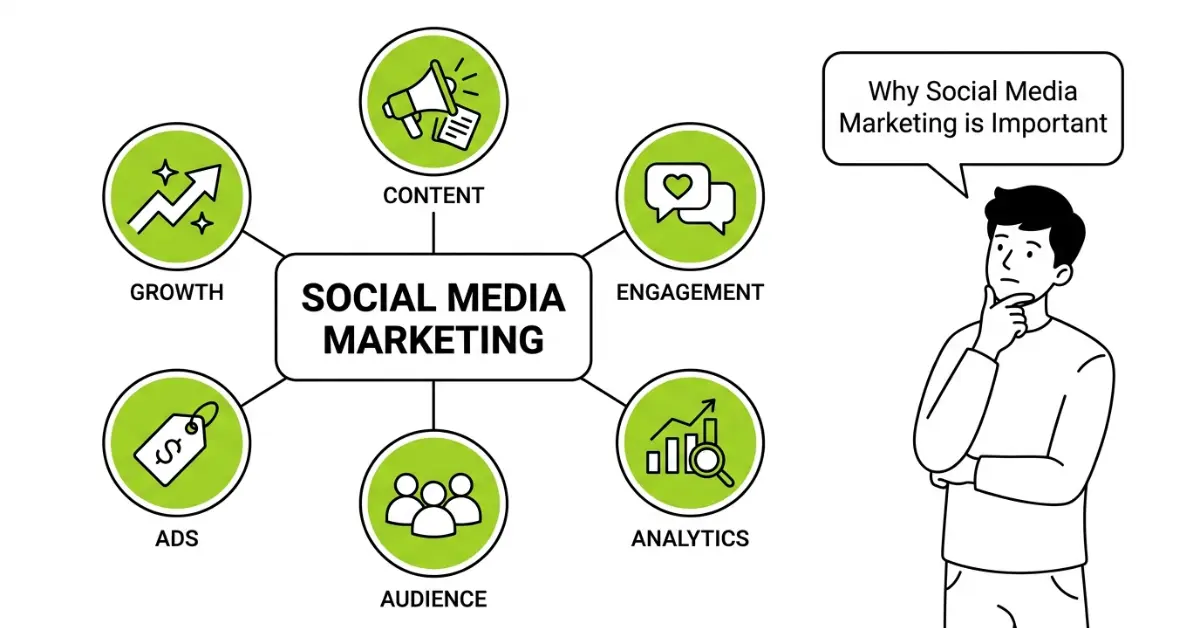
- Audience Targeting: identifying the right people for your content based on age, interests, and needs
- Brand Awareness: how many people recognize your brand on social media
- Engagement: likes, comments, shares, and saves on a post
- Reach: the number of unique people who saw your post
- Impressions: the total number of times your post was displayed, including repeat views
- Conversion: when a user takes an action, like clicking a link, signing up, or making a purchase
Knowing these terms makes every other part of social media marketing easier to understand and apply.
Social Media Marketing Tips for Beginners
Post consistently: Regularity builds audience trust over time.
Focus on value: Content should educate, entertain, or solve a problem.
Use hashtags strategically: They extend reach when used relevantly, not excessively.
Engage with your followers: Reply to comments and messages promptly.
Follow trends: Trending formats can boost visibility but only when relevant to your niche.
Study your competitors: See what’s working for others in your space and adapt it to your voice.
Social Media Marketing Concepts Every Beginner Should Understand
Here are some important social media marketing concepts that every beginner should know about:
Audience Targeting
Audience targeting is the process of identifying the right people for your content or product. When you know your audience’s age, interests, and needs, your content will become more effective.
Brand Awareness
Brand awareness is the number of people who are aware of your brand on social media.
Engagement
Engagement means the likes, comments, shares, and saves your post receives. If your post has high engagement, it means more people are interested in your content.
Reach
The reach of your social media post is the number of people who have seen your post.
Impressions
Impressions are the total number of times your post appears on the screen of your followers, even if the follower sees your post multiple times.
Conversion
Conversion is the process by which a user interacts with your content, such as clicking a link, signing up, or purchasing a product.
Learning about these social media marketing concepts will help beginners learn more about how to do social media marketing more effectively.
Common Beginner Mistakes in Social Media Marketing
Some of the most frequent ones include:
- Posting content without a clear strategy.
- Ignoring audience engagement.
- Copying competitors instead of developing a unique voice.
- Focusing only on followers instead of building relationships.
If this article helped you, explore our other guides below:
- What is SEO and how does it work?
- How to start affiliate marketing in India (2026 guide)
- What are backlinks and why do they matter for SEO?
Frequently Asked Questions
1. How long does it take to learn social media marketing?
Most beginners understand the basics in 4 to 6 weeks of consistent learning. Gaining enough skill to run campaigns and interpret analytics confidently usually takes 3 to 6 months of hands-on practice.
2. Is social media marketing free to learn?
Yes. Free blogs, YouTube channels, and resources from platforms like Meta Blueprint cover most of the fundamentals. Paid courses can help you learn faster, but they aren’t necessary to get started.
3. Do I need a degree to work in social media marketing?
No. Employers and clients generally care more about your portfolio, real results, and knowledge of the platforms than about formal qualifications.
4. Which social media platform should beginners learn first?
Choose the platform where your target audience is most active. For most beginners focused on brand or business marketing, Instagram and LinkedIn are the best starting points.
5. Can I learn social media marketing without any prior marketing experience?
Yes. It’s one of the few digital marketing skills that doesn’t require a background in marketing; you only need consistency, curiosity, and a willingness to practice on a real page.
6. What is the difference between social media marketing and social media management?
Marketing involves strategy, growth, and campaigns aimed at achieving business goals like leads, sales, and awareness. Management focuses on day-to-day tasks such as scheduling, posting, and responding to comments.
7. How much money do I need to start learning social media marketing?
Almost none. A smartphone, a free Canva account, and access to social platforms are enough to begin practicing. Paid tools and ads can come later.
8. Can social media marketing be a full-time career?
Yes. Common career paths include social media manager, social media strategist, paid ads specialist, content creator, and freelance social media consultant.
9. What’s the best way to practice social media marketing as a beginner?
Start a niche page, whether it’s for a personal brand, hobby, or small business idea. Treat it like a real client account; set goals, post consistently, and track your performance.
10. How is social media marketing different from traditional marketing?
Traditional marketing is typically one-directional, such as ads, billboards, or print. In contrast, social media marketing thrives on two-way conversation, involving engagement, comments, and community building.
Final Thoughts from MarketYug
How to Learn Social media marketing is one of the most powerful digital marketing skills today. With the right approach, anyone can learn it and use it to build a successful career or business.
To summarize:
- Understand how social platforms work
- Learn essential social media marketing concepts.
- Explore different types of social media marketing.
- Practice the process for social media marketing.ng
- Apply proven social media marketing tips
At MarketYug, our goal is to simplify digital marketing education for beginners and help them build practical skills that create real opportunities. If you want to learn “How to Learn Digital Marketing Step by Step“.
If you stay consistent, experiment with strategies, and keep learning, mastering how to learn social media marketing will become a rewarding journey.